
Skin Disorders
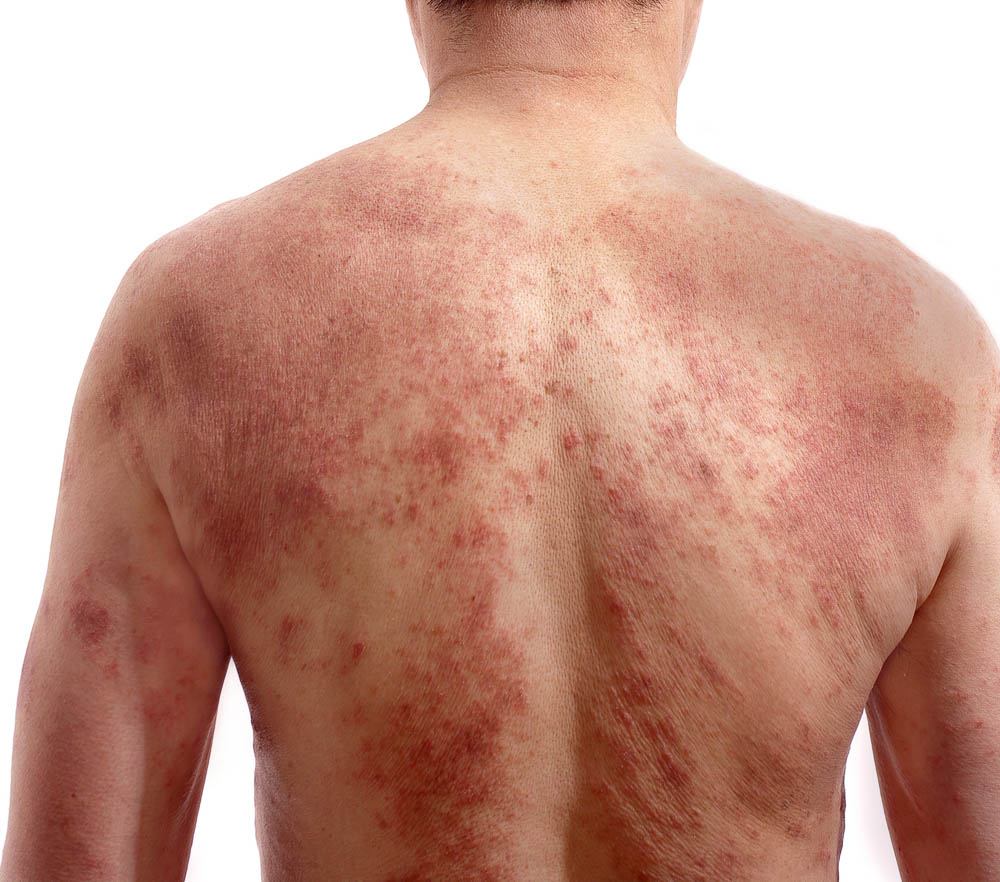
According to NAET theory, allergies cause 99%of skin disorders. These skin disorders can be eliminated with NAET allergy desensitization treatment.
The most common appearances of skin disorders include some form of rash, inflammation, pimples, pus-filled bumps, blisters, dry scales, hardening, itching and pain.
Eczema:
Eczema is an inflammation of the dermis and epidermis on any part of the body. Symptoms include persistent or recurring skin rashes characterized by redness, swelling, itching, dryness, crusting, flaking, blistering, cracking, oozing, bleeding etc.
Eczema is seen among people of all ages, and in every city and country.

Causes:
- Allergies
- Hormonal changes
- Scratching
- Injury
- Underlying health disorder
Most often one of the major causes for all types of eczema may be an allergy to something one is eating, touching at home or outside.
ACNE:
Acne refers to pimples or pus-containing lesions commonly found on the face, neck, or upper body. Acne occurs when bacteria-filled hair follicles become inflamed. Usually, this is from the effects of hormones on the sebaceous glands .Acne is a common skin disorder often seen among teenagers.

Causes:
- Genetic factors
- Stress, through increased output of hormones from the adrenal glands
- Hyperactive sebaceous glands
- Accumulation of dead skin cells
- Bacteria in the pores, to which the body becomes ‘allergic’
- Prior bacterial infection
- Skin irritation, from rubbing, trauma, tight clothing, scratching of any sort.
- Cosmetics with ingredients to which the body is allergic to
- Certain medications
- Exposure to high levels of chlorine compounds, particularly chlorinated dioxins
- Extreme weather conditions-heat, cold humidity
- Greasy and fried foods
- Food allergies that trigger acne\
Psoriasis:
Psoriasis is a chronic recurring condition that varies in severity from minor localized patches to complete body coverage. Symptoms include red patches, silvery white scales, small scaling spots, red puss-filled bumps, changes in fingernails or toenail appearances and/or swollen and stiff joints

Types:
- Plaque psoriasis
- Flexural Psoriasis
- Guttate Psoriasis
- Pustular psoriasis
- Nail Psoriasis
- Erythrodermic psoriasis
- Psoriatic Arthritis
Causes:
- Genetic predisposition
- Alcohol consumption
- Smoking
- Stress
Candidiasis:
Candidiasis is an infection caused by a microscopic fungi or yeast in the candida family. The most common species is candida albicans.
Location:-Candida infections can affect the skin, mouth, esophagus and genitals. Skin infections commonly occur in warm moist body areas. The skin effectively blocks yeast, but any breakdown or cuts in the skin may allow this organism to penetrate.
Symptoms of candidiasis depend on the part of the body affected. Cutaneous candidiasis, Oral candidiasis, esophageal candidiasis, vaginal candidiasis and so on.

Causes:
- Antibiotics– this decreases the number of normal flora and permit the overgrowth of candida in the body.
- Hormonal changes-increased estrogen levels, estrogen containing birth control pills, pregnancy, hormone replacement therapy, infertility treatments etc.
- Weakened immune system– infections of any kind are more common when the immune system is weakened.
- Poor diet-Candida overgrowth occurs in the body when food is not properly digested, resulting in poor absorption and assimilation of nutrients. Poor assimilation of nutrients leads to a weak immune system and poor circulation of energy, building up the waste products in the body, mainly in the gut. Yeast and candida multiply by the millions to ferment the waste buildup in the gut, and travel to other parts of the body.
- Allergies-allergies are the cause of most yeast and candida infections.
Nearly 15% of the patients with immune compromising disease develop systemic candidiasis. People of all ages are affected by candidiasis.
Athlete’s foot:
Athlete’s foot is a common persistent infection of the foot caused by a microscopic fungus that lives on dead tissue of hair, toenails, and outer skin layers. The infection is transmitted from person to person. The infection enters the body through a cut or abrasion on the bottom of the feet.
These fungi thrive in warm, moist environments such shoes, stockings and the floors of public showers, locker rooms swimming pools, gymnasiums, and other areas where people share facilities.

Common symptoms include persistent itching of the skin on the sole of the foot or between the toes. As the infection progresses, the skin grows soft and the center of the infection becomes inflamed and sensitive to the touch. Gradually, the edges of the infected area become milky white and the skin begins to peel and a slight discharge also may be present.
Individuals who suffer from skin disorders are sensitive to foods, environmental substances and chemical substances from their surroundings. They may also have very fragile emotions. These in turn will disturb their energy meridians and suffer from skin disorders.
Your patience and perseverance in NAET treatments will surely see that you are free from all skin issues.