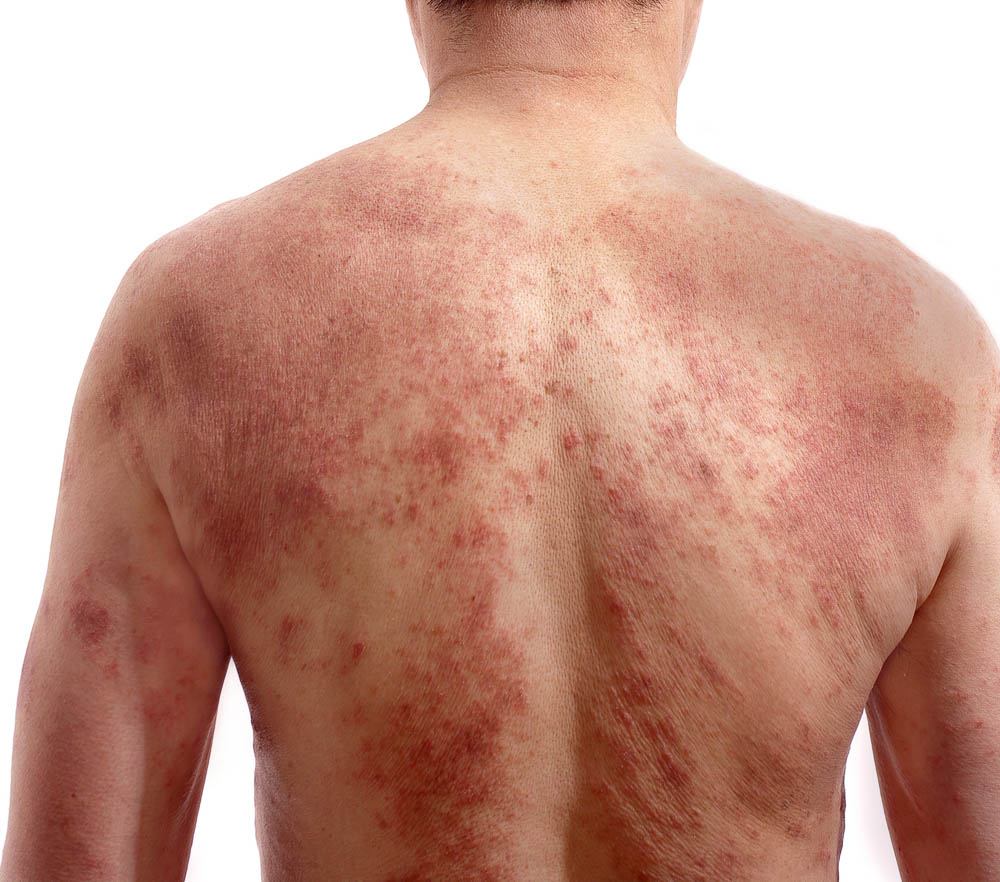

Chemical sensitivity is a condition of unusual sensitivity of an individual to one or more chemicals occurring in the environment to which the majority of the other individuals may be non -sensitive or non-reactive.
Chemical sensitivity is a condition of unusual sensitivity of an individual to one or more chemicals occurring in the environment to which the majority of the other individuals may be non -sensitive or non-reactive.
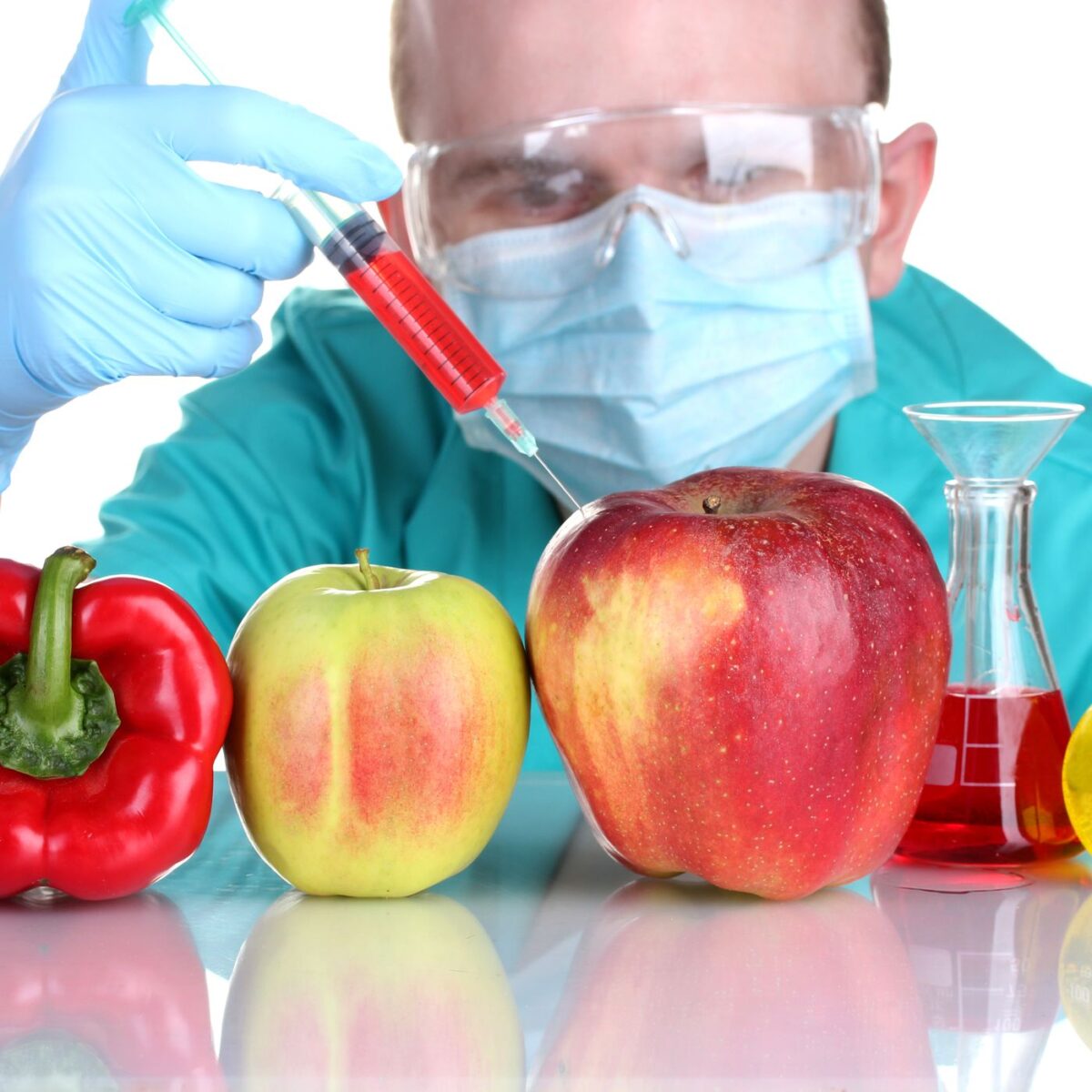
Chemicals are hidden in many unexpected places around us. Then major sources of chemicals that we encounter in our everyday lives are from our foods and household environments. These sources include: food preservatives, taste enhancers(MSG) food colorings, food additives, appearance and texture enhancers ,vegetables and fruits grown using chemical fertilizers and sprayed with various highly toxic pesticides either while growing or packaging, herbs and vitamins ;water chemicals from polluted , oral or injectable drugs ,immunizations and vaccinations, environmental chemicals such as pesticides, insecticides, chemical fertilizers, heavy metals, smoke and fumes from wood burning, exhaust, toxic waste from various sources, weather related conditions encouraging toxic releases in the environments, radon and radiation, petrochemicals such as housewares, household cleaning chemicals, detergents, soaps, fabric softeners, beauty supplies and products, chemically treated fabrics, synthetic fabrics, dry cleaning agents, plastics and vinyl products, paper products, and school related chemicals, etc. Man-made chemicals are being created daily.

Exposure to any of these items can produce debilitating symptoms in chemically sensitive people.
Major health problems seen in chemically sensitive people:
Asthma, emphysema, bronchitis, chronic lung disorders, hay-fever, rhinitis, sinusitis, chronic cough, post nasal drip, throat irritation, seasonal allergies besides many other allergy related disorders.
People suffering food allergies have no seasonal symptoms, but suffer from varying numbers of unusual or unpleasant physical, physiological or emotional symptoms whenever they eat any food with some chemicals.
People suffering from chemical allergies through external sources have no unusual symptoms if they do not come in contact with any chemicals. But, whenever they come near or in contact with any chemicals they are sensitive to, they suffer from a varying number of unpleasant physical, physiological or emotional symptoms.
People suffering from chemical allergies from internal sources react to their own body secretions, body parts and different organs. The body’s defense mechanism is derailed, and the body makes antibodies against its own tissues and or fluids. The immune system attacks the body that it inhabits, which eventually causes damage or alteration to its own sells, tissues, organs and functions.
People allergic to natural environmental allergens have frequent tearing from eyes, sneezing, wheezing, have asthma and other upper respiratory disturbances, suffer from fatigue, irritability and hay-fever symptoms during pollen season.
People suffering from allergies to animals and other humans react to the electromagnetic energy of other living beings, which makes allergic to other human beings, parents, siblings, children, spouse employee and employer etc. They can also have allergies to pets, cats, dogs, insects, bees, ants etc.
People with emotional allergies have allergies to the actions and interactions of everyday life. They may be allergic to their own thoughts and feelings, anger, anxiety, self-esteem, inferiority, superiority and so on. Some allergic people enjoy going against rules and regulations acting against the norm in situations or disobeying authorities and so on.
People with combination allergies react to what seems to be an infinite number of combinations of food, pollens, chemicals, other human beings, animals, thoughts, memories and concepts.
People who are universal reactors have multiple chemical sensitivities and suffer from severe reactions to all allergens. They suffer from many health problems. They are grouped as ecologically and environmentally ill. Ecological illness is the result of adverse reactions to substances in the air, water, food, living environment, work environment and chemicals. These people do not feel safe anywhere.
Usually people suffer symptoms from two or more groups, not just one group.
We are exposed to a multitude of toxins that adversely affect our immune system. Chronic illnesses including cancer, heart disease and autoimmune disorders are occurring at epidemic rates.
There are hardly any human diseases or conditions in which chemical or environmental sensitives are not directly or indirectly involved.
The chemical compounds that keep our leftovers fresh and make our floors easy to clean may be a factor in the rising levels of asthma and allergies in children around the world.
- Toxins can be breathed in through the lungs and other mucus membranes via exposure to the nose, eyes, etc.
- Ingested through the alimentary canal via ingestion by mouth, affecting stomach, intestines.
- Through the skin, via direct exposure to toxic liquids or gases.
- Directly into the blood stream via injection, as with medications or drugs.
It is not always obvious how a particular substance comes into a person’s system. One way or another these
Contaminations always end up in the bloodstream.
Once in the bloodstream, a toxin can go anywhere in the body.
Treatments:
NAET (Nambudripad’s allergy Elimination technique) has a unique way of detecting the causes of various allergies and allergy related ailments. NAET can very successfully eliminate various allergies and related health disorders.